
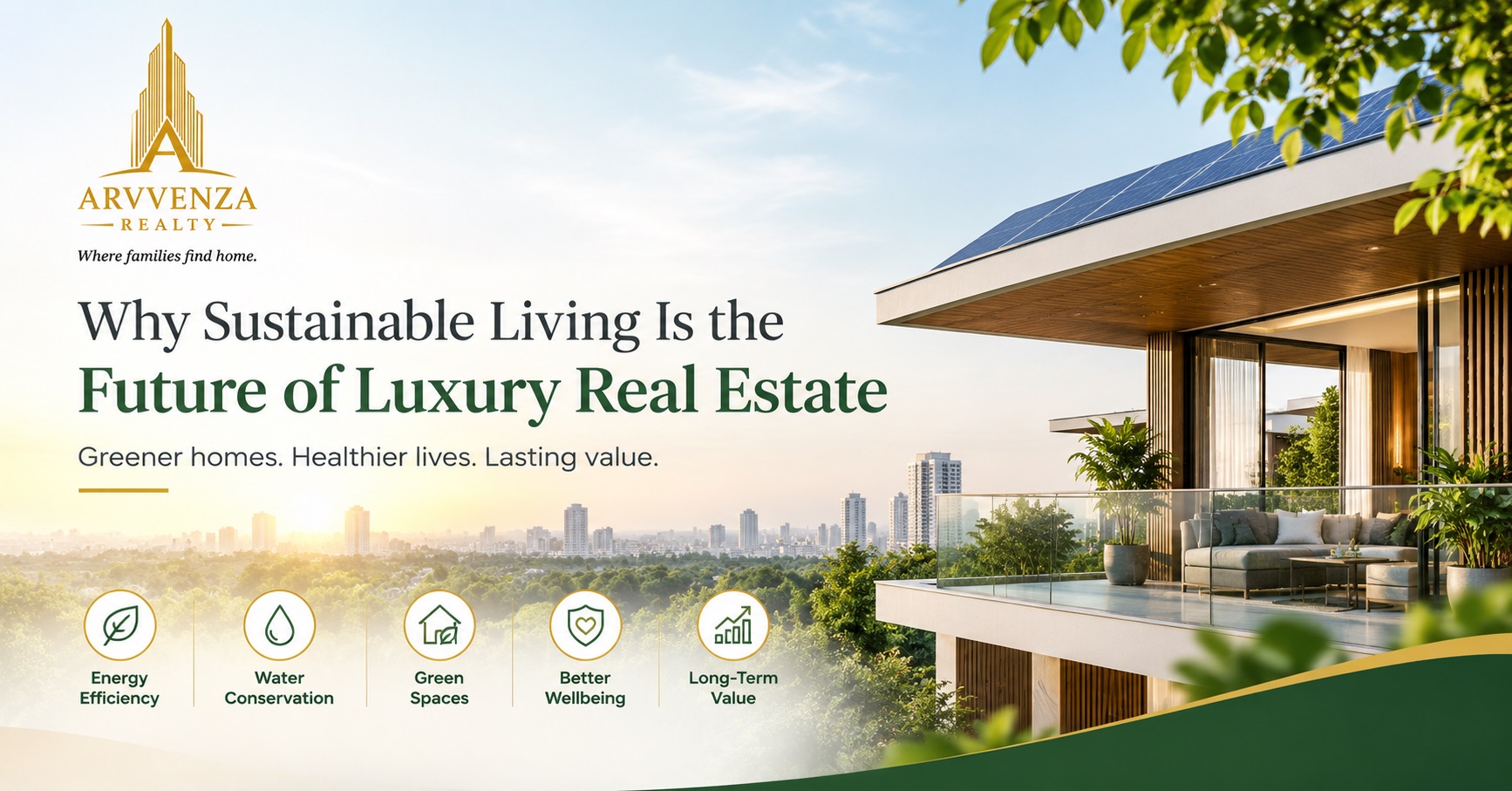
The Changing Meaning of Luxury Living
Luxury property has always been about space, quality
finishes, great architecture, a range of exclusive amenities and of course the
location. Those factors are still very much in play. The expectations of the
buyer however are now broader. A lot of people looking at high end property are
now also looking at energy usage, water usage, indoor comfort and the
environmental impact of the property. A property may look absolutely stunning
in the showroom and that will certainly grab your attention, but its
performance on a day to day basis is what really counts.
This is making sustainable luxury property a very real thing
for the buyer who wants comfort without the associated levels of resource
consumption. Think of a house that lets in loads of natural daylight, is
comfortable to live in through good design, is very water efficient and allows
you to monitor your electricity usage via smart controls. That's a very real way
of living comfortably whilst also being more mindful of the resources you're
using.
For the buyer looking at premium residential properties in
India, sustainability isn't just about putting on some solar panels and having
a bit of a garden. It's about the whole property from the get go, the way it's
designed, built, maintained and run. The best homes are ones that are beautiful
and at the same time perform well in terms of actual value for the owner over
the long term. You can have a very modern, very stylish home and still be
looking at the practicalities of what it will cost you to own it.
What is Sustainable Luxury Real Estate?
Sustainable luxury real estate is premium property which is
designed and/or operated to minimise unnecessary consumption of energy and
water, to use resources responsibly and to provide a comfortable indoor and
outdoor environment. It's the integration of good architectural design, good
construction, efficient equipment, good landscaping and good building
management. It's not about putting the green features on as an afterthought or
as a gimmick, it's about incorporating them right through the life of the
property.
A well designed home could make use of external shading to
reduce direct heat gain, efficient air conditioning to manage the internal
temperature and appropriately sized windows to facilitate daylight and
ventilation. Water efficiency can be achieved through the use of water
efficient fixtures and rainwater harvesting. The use of durable materials is
also a possibility to reduce the number of repairs and replacements.
The IGBC Green Homes programme looks at homes across a
number of areas: site planning, water, energy, materials and indoor
environmental quality. It's a useful framework for understanding that true
sustainability is a multi-faceted thing and not simply about one 'green'
feature.
IGBC Green Homes Rating System
Ultimately it's about achieving a balance between the
standard of living you'd expect in a luxury home and the use of resources. The
actual benefits will of course vary depending on the design, the climate, the
number of occupants, the standard of installation and the level of maintenance
thereafter.
Why Sustainability Matters in Premium Real Estate
Several practicalities are making sustainability relevant to
the luxury buyer. Environmental awareness is one of the factors, but comfort in
the everyday use of the property, the cost of running it and the quality of the
environment around it are all very much part of the equation.
Lower Resource Consumption and Operating Costs
Big houses can be very electricity hungry (for AC, lighting,
appliances, pools etc). The level of consumption can be controlled through good
building design and appropriate equipment. Likewise water consumption can be
minimised through the use of water efficient fixtures and good irrigation
management.
Actual savings will vary considerably. The performance of a
property will be dictated by its orientation, its insulation, the efficiency of
its equipment, the local utility rates and the habits of the residents. Buyers
should therefore be asking for operating data where possible rather than just
accepting the general claims about the expected savings.
Improved Comfort and Indoor Living Conditions
Natural daylight, good ventilation, effective shading and
well thought out indoor spaces all contribute to a better daily experience in a
premium property. All of this is very much relevant in the Indian context where
you have the problems of seasonal heat, humidity, dust and the need for air
conditioning.
Natural ventilation has to be appropriate to the local
outdoor air quality and weather conditions. A sensible design will consider
when it is appropriate to open windows and when filtered mechanical ventilation
would be a better option.
Access to Green Spaces and a Better Outdoor Environment
Landscaped gardens, shaded walking paths, native plants and
well thought out outdoor areas can all go a long way to making a residential
community a more pleasant place to live. The vegetation can provide shade and
assist with rainwater management (depending on the design and the site
conditions).
For families and for professionals looking to strike a
balance, these features can be a great addition to the architecture and the
range of amenities of a property. Their actual worth is down to how well the
spaces are designed, how accessible they are and how well they are maintained.
Green Building Features to Look for in Luxury Homes
Not all 'green' properties are created equal. You have to
look at what features are actually in place, how they operate and whether the
building management team look after them.
Energy Efficiency and Renewable Power
Energy efficient luxury homes can have rooftop solar panels,
efficient air conditioning, LED lighting, energy rated appliances and building
design to minimise unwanted heat gain. High performance windows, appropriate
shading and insulation will all help to maintain a comfortable internal
temperature.
Solar can offset some of the electricity use of a property
when it's correctly sized and installed. Buyers should be clear on whether the
solar equipment is for individual homes or for common areas, how the credits or
shared benefits are to be allocated and whether battery storage is included.
Water Conservation and Green Spaces
Water management is of particular importance when looking at
residential properties in water stressed urban areas. Rainwater harvesting, low
flow taps, efficient showers, dual flush toilets and the reuse of treated
wastewater are all viable options for reducing the demand on potable water
supplies provided the systems are appropriately designed and operated.
Landscaping is another area that warrants similar attention.
The use of native or climate appropriate plants, efficient irrigation and
appropriate soil preparation can all go a long way to reduce maintenance and
watering requirements. Buyers should also ask where the water for the gardens,
the pools and all the other common areas comes from.
Smart Home Technology and Sustainable Materials
Smart thermostats, occupancy sensors, automated lighting and
energy monitoring systems can all be of use in helping people to understand and
manage their household consumption. EV charging infrastructure can also be a
useful consideration for those who own or are intending to purchase an electric
vehicle.
Construction materials are important too. Good finishes,
appropriately sourced timber, low emission paints and materials that are
appropriate for the local climate can all be part of a more considered building
design. A product shouldn't just be deemed sustainable because it's 'natural'
or 'recycled'. Its durability, the way it's made, how it's transported and how
appropriate it is for the job at hand all need to be taken into account.
Buyers must check that the features they're looking at are
actually there and working. A proposed amenity, a marketing illustration and a
working system are three very different things.
How Sustainable Homes Can Benefit Property Buyers
The benefits of sustainable living are very much apparent
when you look at the cost of the property beyond the initial purchase price. An
energy efficient property will use less electricity to keep the house at a
comfortable temperature. Water saving fixtures will use less water. The use of
durable materials and good building systems in general will also tend to reduce
the need for certain types of repair and replacement over the lifetime of the
building.
Consider two apartments of comparable size in Gurugram. One
has a lot of glazing with very poor solar shading, inefficient cooling
equipment and little control over water use. The other has better solar
shading, efficient equipment, water saving fixtures and systems that allow you
to see your energy use. They could be just as 'luxurious' in appearance but
their actual operating requirements would be very different.
The second flat isn't necessarily going to be cheaper to
own. The total cost will be influenced by purchase price, maintenance fees,
equipment replacement, system performance and the habits of the residents.
Wherever possible you should be looking at actual utility bills and maintenance
records.
Sustainability can also lead to a more comfortable
lifestyle. Good lighting, good ventilation, useful green space and good
building systems all contribute to a more pleasant home. For a family who are
going to be in a house for a long time, these sorts of day to day benefits may
be just as important as any potential cost saving.
Does sustainability influence the value of luxury property?
Sustainability can play a part in how a property is viewed
by the buyer but its impact on value is not in any way consistent. A property
with proven energy efficiency, low running costs and good amenities in good
order could be attractive to a buyer who is looking at it as a long term
investment. In certain markets it may well be a differentiator from other
properties of a similar nature.
Green luxury doesn't necessarily translate into better
appreciation or better rental returns. All the usual suspects still apply in
terms of location, connectivity, developer, build quality, market demand, the
legal docs and the purchase price.
Investors should look at sustainability as one element of a
wider property assessment. A certified project in a bit of a backwater may not
be the right one for every buyer, whereas a property in a good location with
very little in the way of green credentials may still be a very good performer
in its own market.
It's also vital to make the distinction between
certification and actual operating performance. A rating tells you something
about compliance with a given framework, the results that residents actually
get are a function of the quality of the construction, the quality of the
system commissioning, the level of occupancy and the ongoing management.
The sensible approach is to look at the financial
underpinnings of the property as well as its environmental attributes. The
potential for savings and the potential for a good resale are things you'd want
to look at, not things you'd assume would necessarily happen.
Sustainable Real Estate Trends in India
Sustainable property development is increasingly relevant in
the Indian residential sector as cities grapple with energy demand, water,
urban heat and resource efficiency. The opportunities and challenges in this
space will vary from market to market with Gurugram, Bengaluru, Mumbai,
Hyderabad and Pune all presenting different scenarios depending on the climate,
the infrastructure in place, the amount of land available and the preferences
of the buyer.
India has got in place of frameworks which assist property
buyers in understanding the sustainability of a building.
- IGBC Green Homes: The Indian Green Building Council's
residential rating programme covers energy efficiency, water efficiency,
materials, site planning and indoor environmental quality.
IGBC Green Homes Rating System
- GRIHA (Green Rating for Integrated Habitat Assessment)
looks at sustainability right through the lifecycle of the building, from
design and construction to operation. It takes into account the diverse
climatic conditions in India.
GRIHA
- Eco-Niwas Samhita: Developed under the aegis of the
Ministry of Power, this is India's residential building energy
conservation scheme which promotes more energy efficient building
envelopes and better thermal comfort.
Urja Dakshata Information Tool
These are useful benchmarks when looking at sustainable real
estate in India. You do need to check the actual rating system, version,
certification level, project name and scope. A developer saying a project is
registered or pre-certified is not the same as it being fully certified.
Local conditions do matter. In Gurugram for instance buyers
may want to look at summer cooling, water supply, rainwater harvesting,
wastewater treatment and the maintenance of the landscaped common areas. In
Bengaluru rainwater management and water supply may be the key issues. A
sustainable property should be responding to the local context rather than just
going in and doing the same thing as you would in another location.
How to Evaluate a Sustainable Luxury Property Before Buying
A structured assessment will help the buyer to separate the
real environmental benefits from the more attractive marketing claims. As part
of the property visits and document review process, consider the following
checklist.
- Energy performance: find out about lighting efficiency,
air conditioning specs, shading, insulation and any available energy
consumption data.
- Water management: rainwater harvesting, wastewater
treatment and reuse, water efficient fittings and the reliability of the
supply.
- Construction materials: find out about the materials
specification, durability, low emission finishes and the maintenance
requirements.
- Green certification: Request the documentary evidence
of the project's certification or rating. Confirm whether it is proposed,
pre-certified or finally certified.
- Maintenance costs: the cost of common area maintenance
(which will include the cost of running the solar equipment, the water
treatment plant, the lifts etc.) and the cost of operating the various
shared systems.
- Developer and project quality: review the construction
progress, the completion documentation, the developer's track record and
the quality of project management.
- Location and connectivity: think about the implications
of commuting, public transport, the range of services on offer, drainage
and the general character of the surrounding area.
- Operational evidence: where available look at the
electricity consumption, the water bills, the maintenance records and the
equipment servicing history.
For a property that's still under construction, find out
which of the sustainable features are actually contractually agreed and which
are merely proposed. For a completed property you need to look at the actual
equipment and get the documentation to prove that the key systems are working.
Buyers should also look at the total cost of the purchase
against the anticipated running costs of the property. A premium feature only
has real value in terms of the household's needs and will only be of value if
it can be maintained for the whole of its life.
The Role of Professional Real Estate Advisory
Selecting a luxury property is a balancing act of a number
of different things: location, lifestyle, budget, build quality, the
documentation, your future requirements and your investment objectives.
Sustainability is another dimension of the decision, with developers using
different standards and different marketing language.
A professional property consultant can assist the buyer in
the process of shortlisting locations, comparing the various residential
projects, looking at the information that's available on the projects and
identifying the questions that would require the input of a technical or legal
advisor. You may also need to engage in independent architectural input, the
services of a building performance professional and/or a legal advisor to
assess the energy performance, the construction specification, the
certification documentation and the compliance of the property.
For the investor the process should be one of comparing the
purchase cost, the likely ownership costs, the local demand, the rental
potential and the resale potential. That way you're looking at the
sustainability as well as the wider financial and practical issues.
Arvvenza Realty assist buyers and investors in looking at property
opportunities in India and the UAE. If you're looking at premium residential
property then you can get in touch with Arvvenza Realty to discuss your requirements and
look at the various options available.
Conclusion: A More Thoughtful Approach to Luxury Living
Sustainable luxury property is a much more holistic concept
than just beautiful architecture and the provision of the usual suite of
exclusive amenities. All of that is still very much part of the equation but
sustainability in the form of energy efficiency, water efficiency, indoor
comfort, the provision of green space and responsible building management can
all contribute to a more realistic and practical form of ownership.
For the buyer looking at a luxury property investment in
India the key is to look beyond the superficial. You need to assess the
location, the quality of construction, the operating costs, the sustainability
credentials and the supporting documentation. Green certifications and such
things can be useful but their actual benefit is down to how well they are
implemented and how well they are maintained over the long term.
Sustainability should not be seen as a magic bullet for securing a good price or achieving a good return on investment. It is one of
a number of factors that can help a buyer to identify a property that is
appropriate to their way of life and their longer term aspirations.
To look at some premium property opportunities and talk you through your requirements, head over to Arvvenza Realty and take a much more informed approach to your next property purchase.
Share This Post